Paver Driveways vs. Concrete Driveways: Which Option Lasts Longer
People searching for paver driveways vs. concrete driveways: which option lasts longer often seek local contractors who can help choose and install the most durable driveway type for their needs.
When exploring driveway options, property owners often wonder which material offers greater longevity and durability over time. Paver driveways and concrete driveways each have distinct characteristics that can influence their lifespan, making this a practical consideration for homeowners seeking a long-lasting investment. Understanding the differences can help in making an informed decision that aligns with the property's needs and the local climate, which may impact the driveway’s performance and maintenance requirements.
For those interested in the durability of paver driveways versus concrete driveways, connecting with experienced local contractors can provide valuable insights tailored to the area. Many service providers specialize in paver driveway installation, offering solutions that not only enhance curb appeal but also stand up to the test of time. Keep reading to learn more about how these materials compare in longevity and how local experts can assist in creating a driveway that lasts.
- Paver driveway installation services are ideal for homeowners seeking a durable and customizable surface, with local contractors emphasizing proper base preparation to ensure longevity. Concrete driveway installation is often chosen for its low maintenance and straightforward application, with local service providers focusing on quality finishing to extend lifespan. When comparing paver driveways vs. concrete driveways: which option lasts longer, local pros advise considering climate and usage to recommend the most resilient choice. Paver driveway installation experts typically highlight the ease of repair and replacement, making them a popular option for those prioritizing longevity. Concrete driveway installation specialists often emphasize the importance of proper curing and sealing to maximize the lifespan of the driveway.
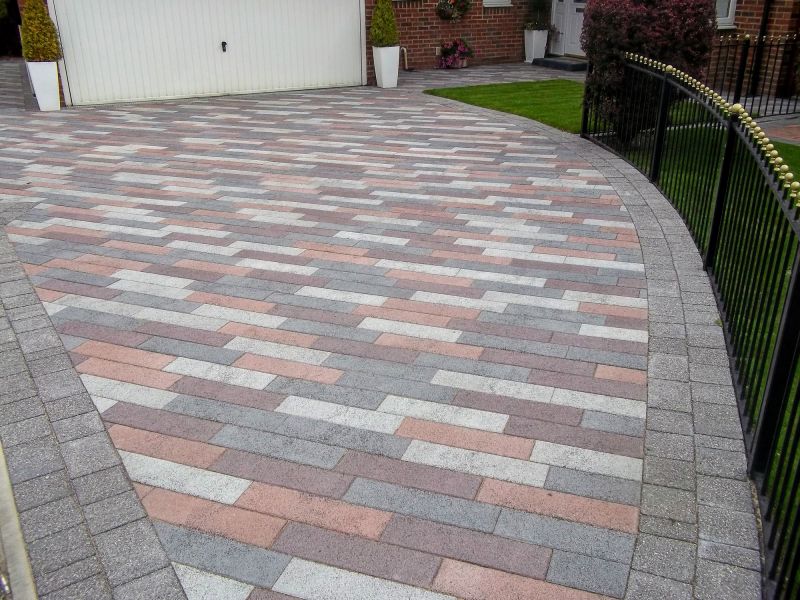
When homeowners search for information about paver driveways versus concrete driveways and which lasts longer, they are often trying to determine the most durable and cost-effective option for their property. This topic is commonly linked to plans for installing a new driveway or replacing an aging one, especially for properties that see frequent vehicle traffic or are located in areas with harsh weather conditions. Property types that frequently come up include residential homes, especially those with larger or custom-designed driveways, as well as commercial properties that require long-lasting surfaces capable of handling heavy loads. Understanding the longevity of each material helps homeowners make informed decisions about their investment and ensures the driveway will meet their needs over time.
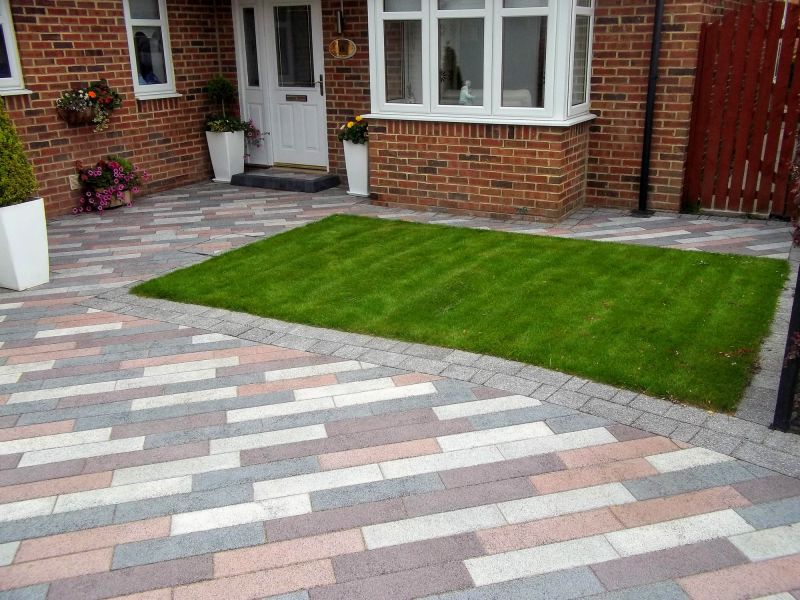
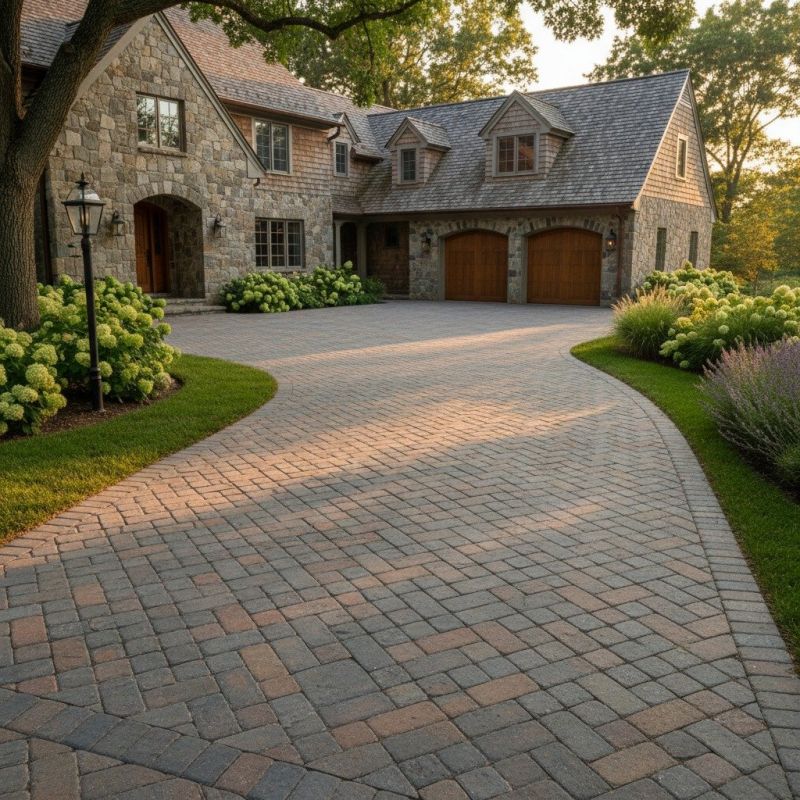
Paver driveways are made from individual units, typically concrete, brick, or stone, that are laid out in patterns and held together with sand or mortar. Concrete driveways, on the other hand, are poured as a single, solid slab. When considering which option lasts longer, homeowners often think about the material's ability to withstand weather, traffic, and shifting ground. Paver driveways tend to be more flexible, which can help prevent cracking and damage caused by ground movement or temperature fluctuations. Concrete driveways, while generally sturdy, are more prone to cracking over time, especially if the soil beneath shifts or if they are not properly installed and maintained. Local service providers who specialize in driveway installation can assess the specific conditions of a property and recommend the best material based on expected wear and tear.
The durability of paver versus concrete driveways also depends on the quality of installation and ongoing maintenance. Pavers can be easier to repair since damaged units can be replaced individually without disturbing the entire surface. This can extend the overall lifespan of the driveway, especially if repairs are needed after years of use. Concrete driveways, although durable when properly poured and cured, may require more extensive repairs if cracks develop or if the slab experiences significant damage. For homeowners planning a long-term investment, understanding these differences can help them choose a surface that aligns with their property’s usage and conditions. Local contractors experienced in both materials can provide insights into how each option performs over time and what kind of maintenance might be necessary to maximize lifespan.
Ultimately, the choice between paver driveways and concrete driveways hinges on factors like property type, climate, and personal preference for appearance and repairability. Residential homes with irregular terrain or those seeking a customizable look may benefit from paver driveways, which can last many years with proper care. Commercial properties or areas with high vehicle traffic might lean toward concrete for its straightforward, durable surface, though it may require more frequent repairs. Local service providers can evaluate the specific needs of a property and recommend the best driveway material to ensure it lasts as long as possible. Connecting with experienced contractors can help homeowners make a decision that balances durability, appearance, and long-term value based on their unique property conditions.
Paving stone installation involves precise planning and the use of similar tools as concrete work, making it a relevant project for those comparing driveway options and longevity.
Patio and walkway construction requires similar surface preparation and material handling skills, which are essential for understanding driveway durability and maintenance.
Retaining wall building involves planning and material placement techniques comparable to those used in driveway installation, highlighting the importance of proper foundation work.
Landscape edging projects utilize similar tools and planning skills, providing insight into how surface materials withstand environmental factors over time.
Concrete stamping and decorative overlays relate to concrete driveway work, offering perspective on surface longevity and aesthetic considerations.
Driveway repair and resurfacing services require knowledge of existing materials and structural integrity, which are key factors in choosing between paver and concrete driveways for longevity.
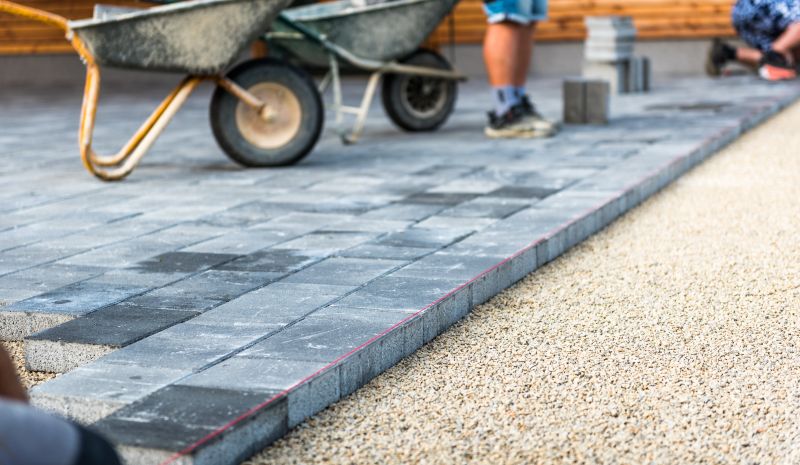
When comparing paver driveways versus concrete driveways in terms of longevity, it’s important for homeowners to evaluate the experience of local contractors with similar projects. Service providers who have a proven track record working on driveway installations can offer valuable insights into how each material performs over time. Homeowners should inquire about the types of surfaces the contractor has installed previously, especially those involving pavers or concrete, to gauge their familiarity with the specific challenges and solutions related to each option. Choosing a contractor with relevant experience can help ensure that the installation is executed properly, which is a key factor in how long the driveway will last.
Clear written expectations are essential when assessing potential service providers for driveway installation work. Homeowners should seek detailed proposals that outline the scope of work, materials to be used, and the maintenance requirements for both paver and concrete driveways. Well-documented expectations help prevent misunderstandings and provide a basis for evaluating the quality of the work. A reputable contractor will be transparent about the lifespan of each material, including factors that can influence durability, such as installation techniques and ongoing maintenance. This clarity supports an informed decision about which option might last longer based on realistic performance expectations.
Good communication and reputable references are crucial when selecting a driveway installer. Homeowners should ask for references from previous clients who had similar projects completed, especially those involving paver or concrete driveways. Speaking with past customers can reveal insights into the contractor’s reliability, attention to detail, and ability to address issues that may arise during or after installation. Effective communication ensures that homeowners’ questions and concerns are addressed throughout the process, which can influence the overall quality and longevity of the driveway. Prioritizing contractors with strong reputations and clear lines of communication can lead to a more successful installation and a driveway that stands the test of time.
Property owners often search for paver driveways vs. concrete driveways: which option lasts longer when they are planning practical projects around their homes and businesses. Local pros provide Paver Driveway Installation services for everyday jobs and straightforward project options.
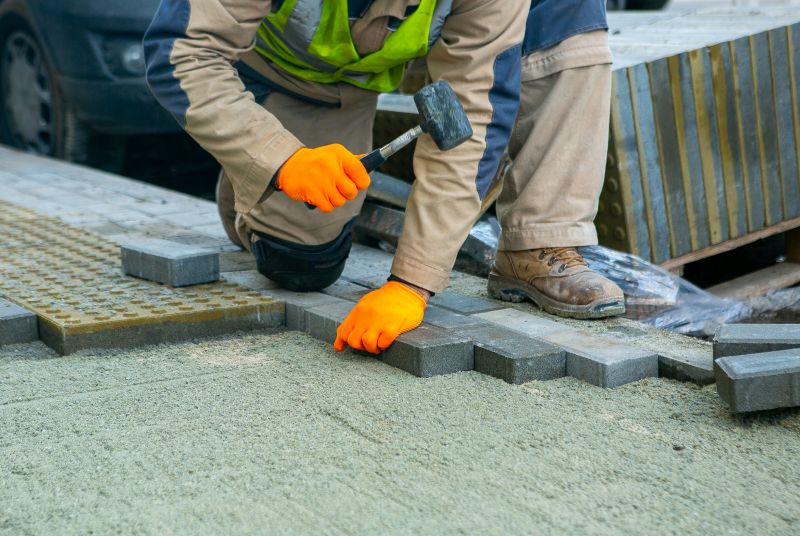
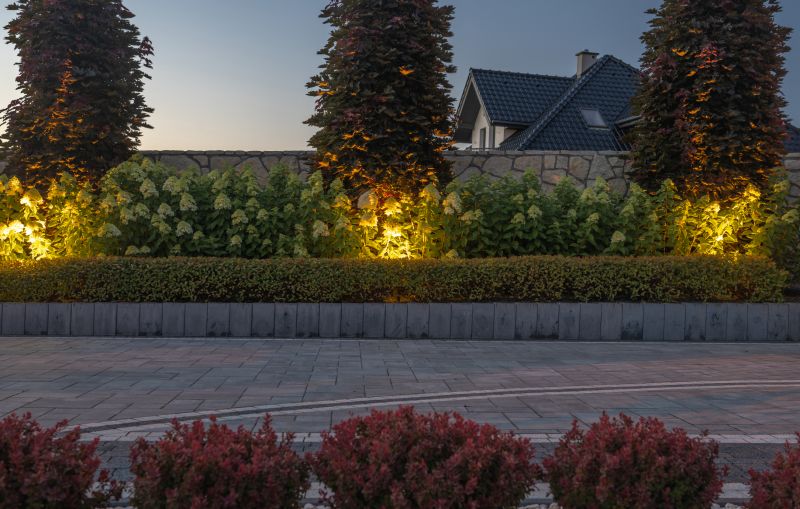
When property owners consider installing a new driveway, durability often becomes a key factor in their decision-making process. Paver driveways are known for their ability to withstand heavy use and shifting ground, making them a popular choice for those seeking a long-lasting surface. These driveways are composed of individual pavers that can be replaced if damaged, which can extend their overall lifespan and maintain their appearance over time. On the other hand, concrete driveways are often chosen for their straightforward installation and low maintenance needs, but they may be more susceptible to cracking and surface damage as they age, especially in areas with freeze-thaw cycles. Local contractors who specialize in driveway installation can help property owners evaluate which option will hold up better over the years based on local climate and soil conditions.
For property owners weighing paver driveways vs. concrete driveways: which option lasts longer, it’s important to consider the specific advantages of each material. Paver driveways tend to be more resilient to cracking and can be easily repaired by replacing individual pavers, which can help extend their lifespan. Conversely, concrete driveways, while generally durable, may require repairs or replacement if cracks or surface damage become extensive. Local service providers can assess the unique needs of a property, including weather patterns and usage levels, to recommend the most durable option. Connecting with experienced contractors can ensure the driveway is installed properly, maximizing its longevity regardless of the material chosen.
How does the durability of paver driveways compare to concrete driveways? Paver driveways are often more durable because individual pavers can withstand shifting and minor movements, whereas concrete may crack over time due to settling or temperature changes. Local contractors can assess site conditions to recommend the best option for long-lasting results.
Which type of driveway requires more maintenance to last longer? Paver driveways generally require less maintenance and can be easily repaired by replacing individual pavers, while concrete driveways may need crack repairs and resurfacing to maintain longevity. Local service providers can advise on maintenance practices specific to each type.
Are paver driveways more resistant to cracking than concrete driveways? Yes, paver driveways tend to be more resistant to cracking because the individual pavers can flex slightly, unlike concrete which can crack under stress or temperature fluctuations. Local contractors can help ensure proper installation to maximize lifespan.
What factors influence the longevity of paver versus concrete driveways? Factors such as installation quality, climate, soil stability, and ongoing maintenance impact how long each type lasts. Experienced local pros can tailor installation and maintenance advice to extend the lifespan of either driveway type.
Can a paver driveway be repaired more easily than a concrete one? Yes, repairs to paver driveways are typically simpler because individual pavers can be replaced without affecting the entire surface, whereas concrete repairs often involve patching or resurfacing. Local contractors can perform repairs to help prolong the driveway’s life.
Durability considerations - Property owners can explore how paver driveways and concrete driveways compare in terms of long-term wear and tear, helping them choose the option that best withstands daily use with the help of local contractors.
Maintenance planning - Understanding the upkeep needs of each driveway type allows property owners to plan for repairs or replacements over time, with local pros providing guidance on maintaining longevity.
Material selection - Selecting the right materials within paver or concrete options can influence how long the driveway lasts, and local service providers can advise on the best choices for durability.
Design flexibility - Considering design features that enhance longevity, such as joint spacing or surface textures, helps property owners work with local contractors to create a durable driveway suited to their needs.
If you are thinking about paver driveways vs. concrete driveways: which option lasts longer for a property, this guide is meant to help you understand this topic, the typical project types, and how different options might fit your plans.
When you are ready, you can use the quote form on this page to share a few details about your project. From there, local pros can review the basics and follow up with options that match what you have in mind.